Facilitating Cross-Platform Data Flows Between Betting Resource Sites Via Standard Web Service Integrations
Written by Anna Krause · Nov 7, 2026
Facilitating Cross-Platform Data Flows Between Betting Resource Sites Via Standard Web Service Integrations
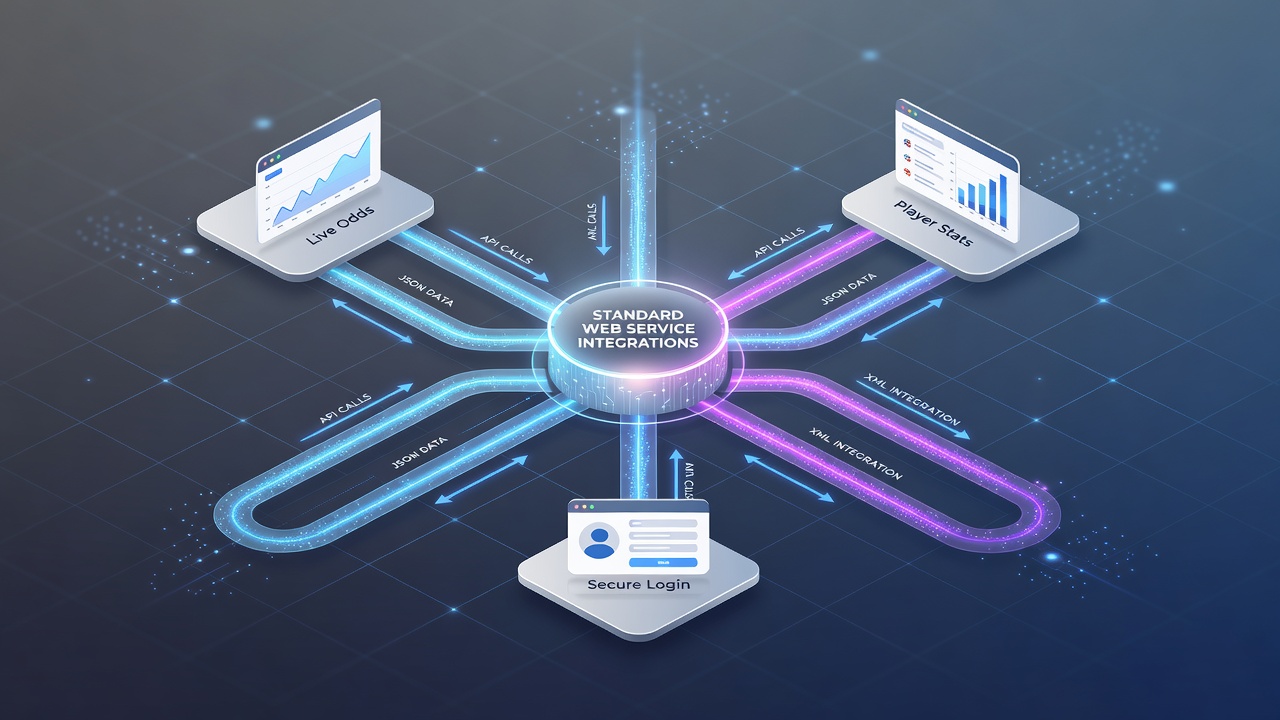
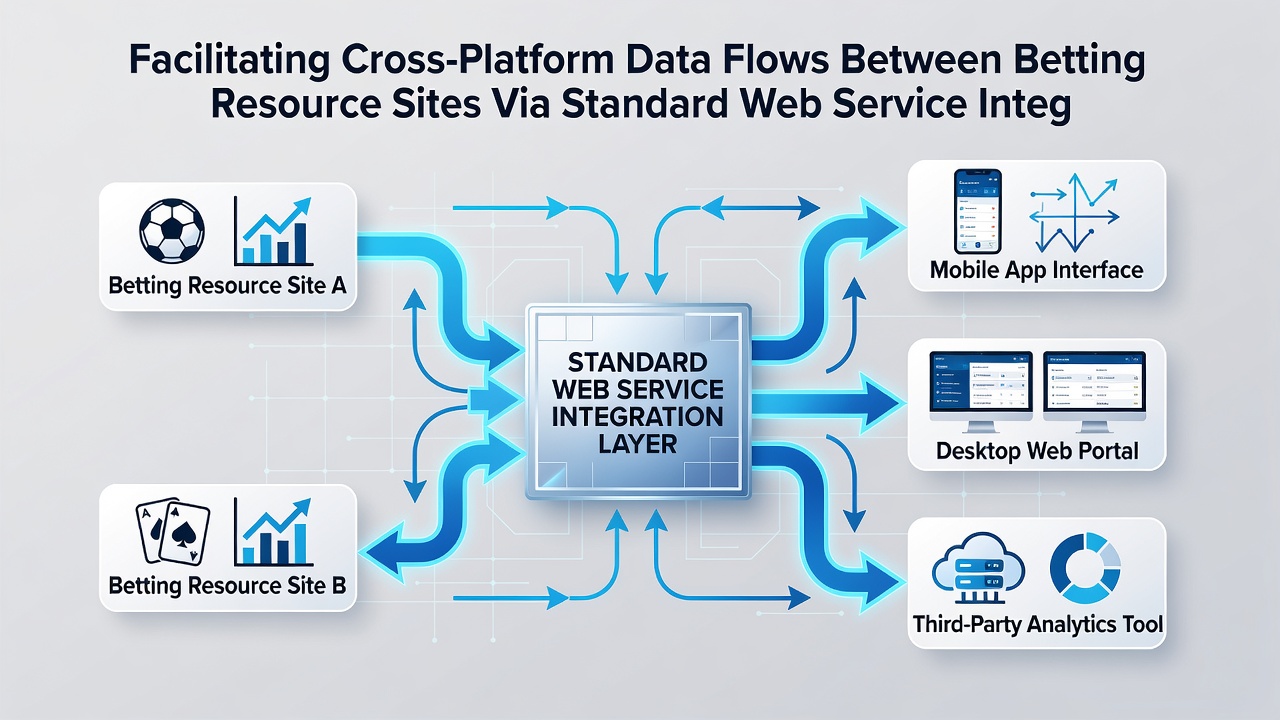
Betting resource sites operate across multiple platforms and require reliable mechanisms to exchange information such as odds updates, regulatory compliance data, and user-generated content summaries. Standard web service integrations provide structured pathways that enable these exchanges without custom point-to-point connections. Data indicates that many operators adopted RESTful APIs and SOAP protocols to handle real-time synchronization, while newer implementations incorporate JSON-based payloads for lighter transmission loads.
Core Components of Web Service Integrations
Web services rely on defined protocols that allow systems to request and receive data in consistent formats. REST architectures use HTTP methods to retrieve or update resources, whereas SOAP employs XML envelopes for more rigid message structures in environments that demand strict validation. Researchers at academic institutions have documented how these approaches reduce latency when multiple betting portals pull live market data from shared sources. Observers note that authentication layers such as OAuth 2.0 often accompany these integrations to control access and maintain audit trails across distributed networks.
Integration points typically include endpoints for event schedules, pricing feeds, and statistical summaries. When one platform publishes an updated fixture list, connected sites receive notifications through webhook callbacks or scheduled polling intervals. This setup supports coordinated displays where users view consistent information regardless of which resource they consult first. Figures from industry reports reveal that standardized message schemas prevent formatting mismatches that previously caused display errors during peak traffic periods.
Implementation Patterns Observed in 2026
Throughout 2026 operators expanded adoption of OpenAPI specifications to document service contracts clearly. In November 2026 several regional networks completed migrations to GraphQL endpoints that permit clients to specify exact data fields rather than receiving entire datasets. This shift addressed bandwidth concerns while preserving the ability to cross-reference information across jurisdictions with differing reporting requirements. Data shows that sites using these query languages experienced measurable drops in unnecessary data transfer volumes compared with earlier REST-only configurations.
Security considerations remain central because sensitive user preference data and financial indicators often traverse these channels. Encryption standards mandated by various national regulators require TLS 1.3 for transit protection, and token-based authorization prevents unauthorized queries. One study published by a European research consortium examined how rate-limiting policies combined with anomaly detection reduced exposure to automated scraping attempts targeting aggregated betting metrics.
Regulatory and Technical Alignment
Compliance frameworks in multiple jurisdictions now reference web service standards when outlining data portability expectations. The Australian Communications and Media Authority has published guidance encouraging operators to maintain interoperable interfaces that support oversight reporting, while Canadian provincial authorities have issued similar directives focused on audit accessibility. These policies align with broader efforts to ensure that information shared between sites remains traceable and verifiable without creating single points of failure.
Technical teams implement logging mechanisms that record every request and response pair, enabling post-incident reviews when discrepancies appear in published statistics. Version control for API schemas allows gradual rollouts so that legacy clients continue operating while newer endpoints introduce enhanced fields. Observers have recorded successful transitions where dual-stack deployments ran for several months before older interfaces were retired.
Conclusion
Standard web service integrations continue to serve as the backbone for cross-platform data movement among betting resource sites. Adoption of documented protocols, combined with evolving security practices, supports consistent information availability across networks. Ongoing refinements in November 2026 and beyond reflect responses to both technical performance metrics and regulatory expectations from diverse geographic regions. Organizations that maintain clear schema governance and robust authentication frameworks position themselves to participate effectively in these interconnected ecosystems.